
Get in touch
SubHub
All in one subscription billing platform
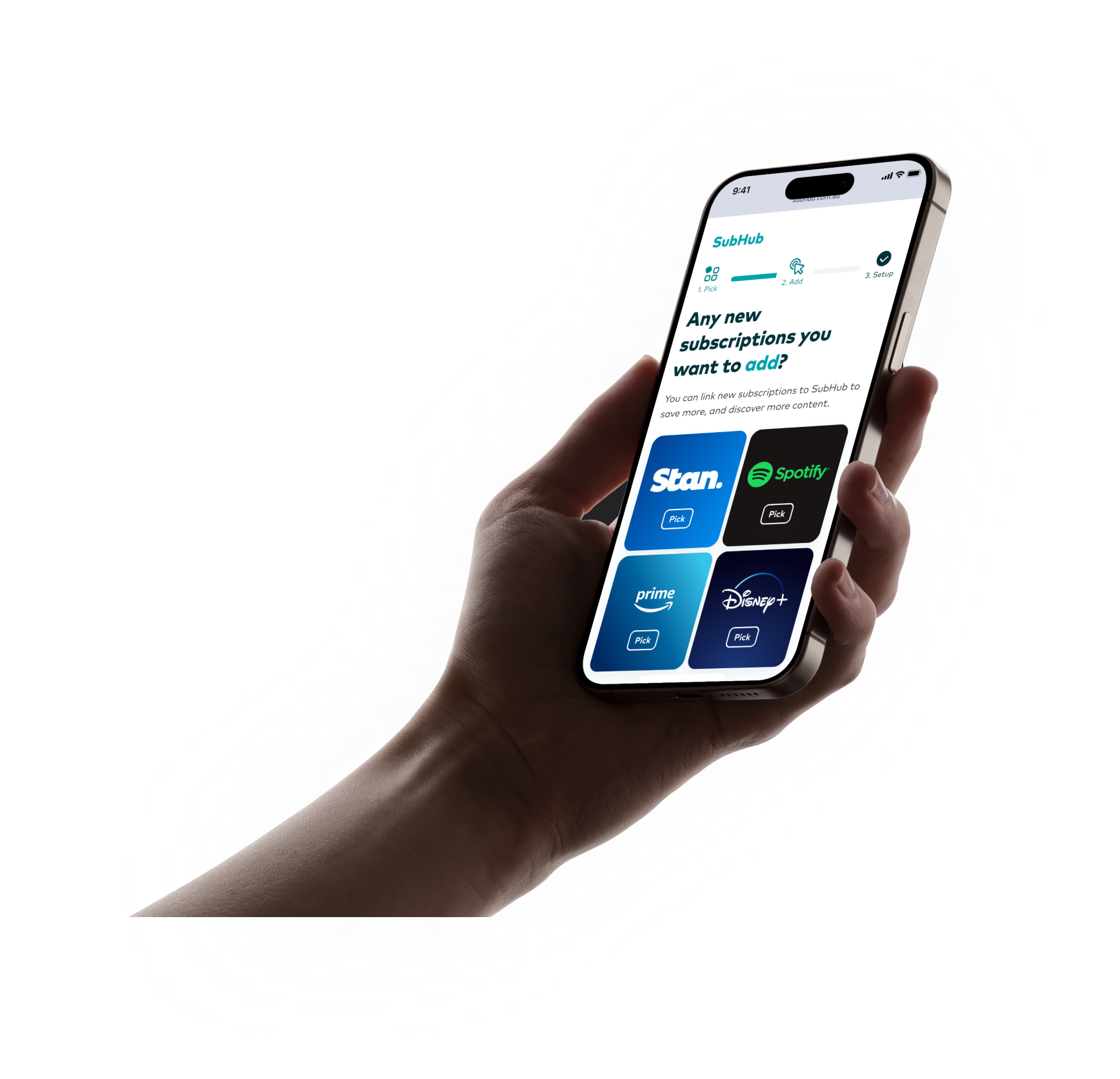
Research and design an intuitive experience for a groundbreaking product that integrates seamlessly with telco internet and mobile plan billing.
SubHub

My role
Product designer
Timeline
Q1 2019 - Q1 2020
Skills
User research & testing
Workshop Facilitation
Stakeholder management
Design Strategy
Prototyping
Platforms
Responsive web
Background
I participated in the initial research and ideation phases of the project, contributing as part of the design team that organised workshops and design critiques.
Additionally, I played a key role in facilitating both in-house and post-launch user testing sessions.
Optus SubHub is a progressive web app for managing digital subscriptions, launched in 2021 after nearly two years of development.
As a pioneering product, it presented unique challenges, which we tackled through extensive user testing and a component-driven design approach.

Problem
Streamlining subscription management
As streaming services continued to expand, we questioned why no product existed that allowed users to conveniently manage multiple subscriptions in one place.
As a telecommunications provider, we were uniquely positioned to address this challenge of managing the ever growing list of subscription services.

Current list of available streaming services (June 24)
Challenge
Developing a completely new product that integrates with an already complex telco billing system while remaining intuitive and user-friendly from the end user's perspective.
This project involved coordinating a series of workshops with numerous stakeholders from across the entire business.
Research
When in doubt, workshop it out
To gain a deeper understanding of user needs, preferences, and potential challenges, we organised a series of in-house workshops involving key stakeholders and team members from across the business.
Key takeaways
Billing dates
We discovered that this was naturally the most complex aspect of the business use case, with significant challenges in understanding and clearly communicating billing information to users—specifically when they would be charged and for which services.
Security
Being part of a large telecommunications company meant adhering to strict security measures around personal information and billing.
We needed to incorporate these security measures into the product while ensuring they were seamlessly integrated into the user experience.
Account linking
Another complexity we uncovered during our workshops was the process of linking users' accounts to streaming services. We focused on making our part of the experience as seamless as possible before handing users off to the third-party interface.


One of the earliest workshops we hosted
We were ready to start early prototype testing
Key takeaways
In house prototypes
Initial testing was carried out internally using paper prototypes, enabling rapid iteration and feedback collection.
The testing group included a diverse range of participants, from product team members and developers to senior executives.
This approach not only allowed us to quickly identify areas for improvement but also ensured that insights were gathered from various perspectives within the organisation.
Design critiques
With input from the product team and key stakeholders across the business, we conducted a series of focused, one-hour lean design critiques.
These sessions were instrumental in prioritising and iterating on low-fidelity designs, enabling us to refine and enhance the proposed solution effectively.
By fostering collaboration and maintaining a sharp focus on the project's objectives, we ensured that each iteration brought us closer to a user-centred and practical outcome.
Account linking
Another complexity we uncovered during our workshops was the process of linking users' accounts to streaming services. We focused on making our part of the experience as seamless as possible before handing users off to the third-party interface.

Paper prototypes

Design critique
Conclusion of first round of testing
Our initial in-house testing provided valuable insights that enabled us to further refine the prototype in Figma. We sourced real customers using Askable.
The feedback we received was incredibly valuable in helping us understand our customers perceptions of the product and their thought processes regarding its features and offerings.
Some of the pain points we discovered
Account linking
Similar to the findings from our earlier workshops, we discovered that many users still struggled to understand the need to link their streaming service with their Optus account.
Breakdown of savings information
Some users found it challenging to grasp the concept of bundling multiple services to receive a bulk discount and how the process worked.

One of the earliest workshops we hosted
This is where I got off
At this stage of the project, I transitioned to another initiative while the remaining designers took the lead in incorporating feedback from the initial testing rounds and refining the designs to prepare the product for launch.
Although my primary focus shifted, I remained part of the design team and contributed to design-related tasks as needed.
Impact
Overall, customer sentiment toward the service and the value it provides remains highly positive
475,000
Unique customer base
as of December 2024 and growing daily
20+
Available streaming services
as of December 2024
Select another case study
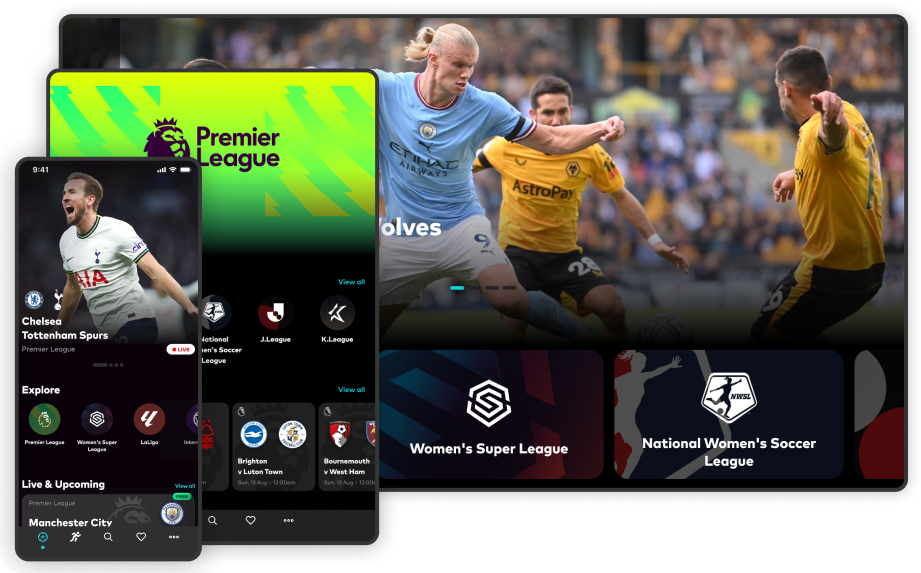
Optus Sport
Sports streaming app
Open case study >
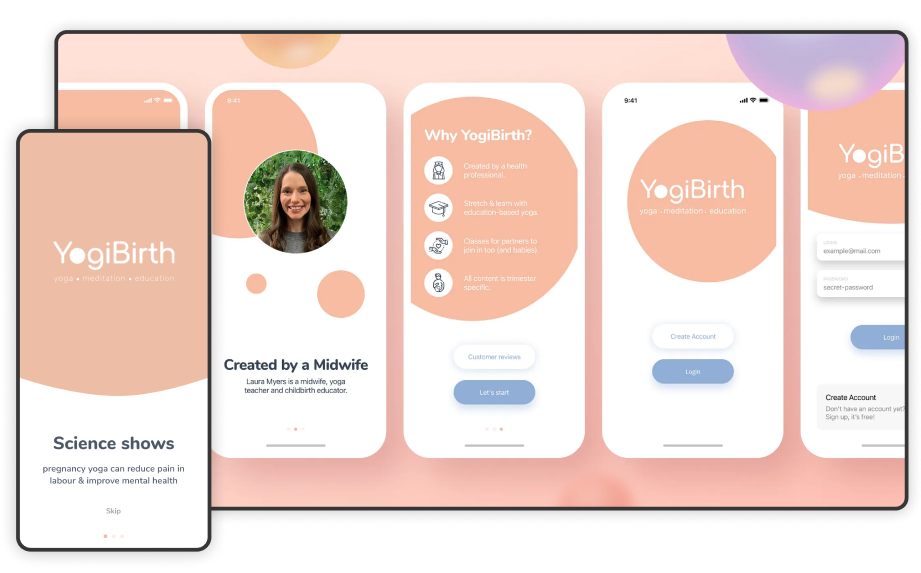
YogiBirth
Online pregnancy yoga studio
Open case study >
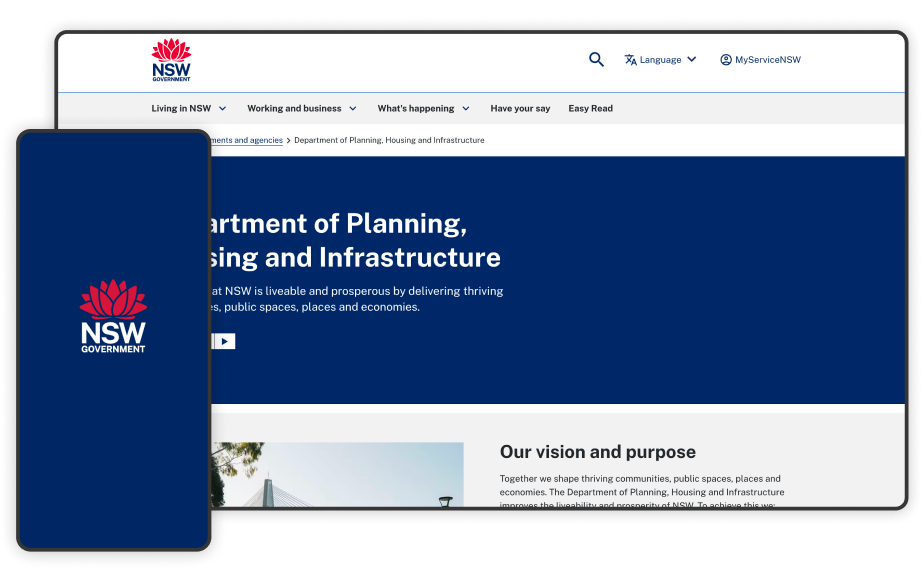
Department of Planning, Housing and Infrastructure
Online platform for planning and development applications.
Open case study >
Back to the top?
About me
Works
See full CV
Adrian Petro Ranieri
About me
Get in touch
SubHub
All in one subscription billing platform
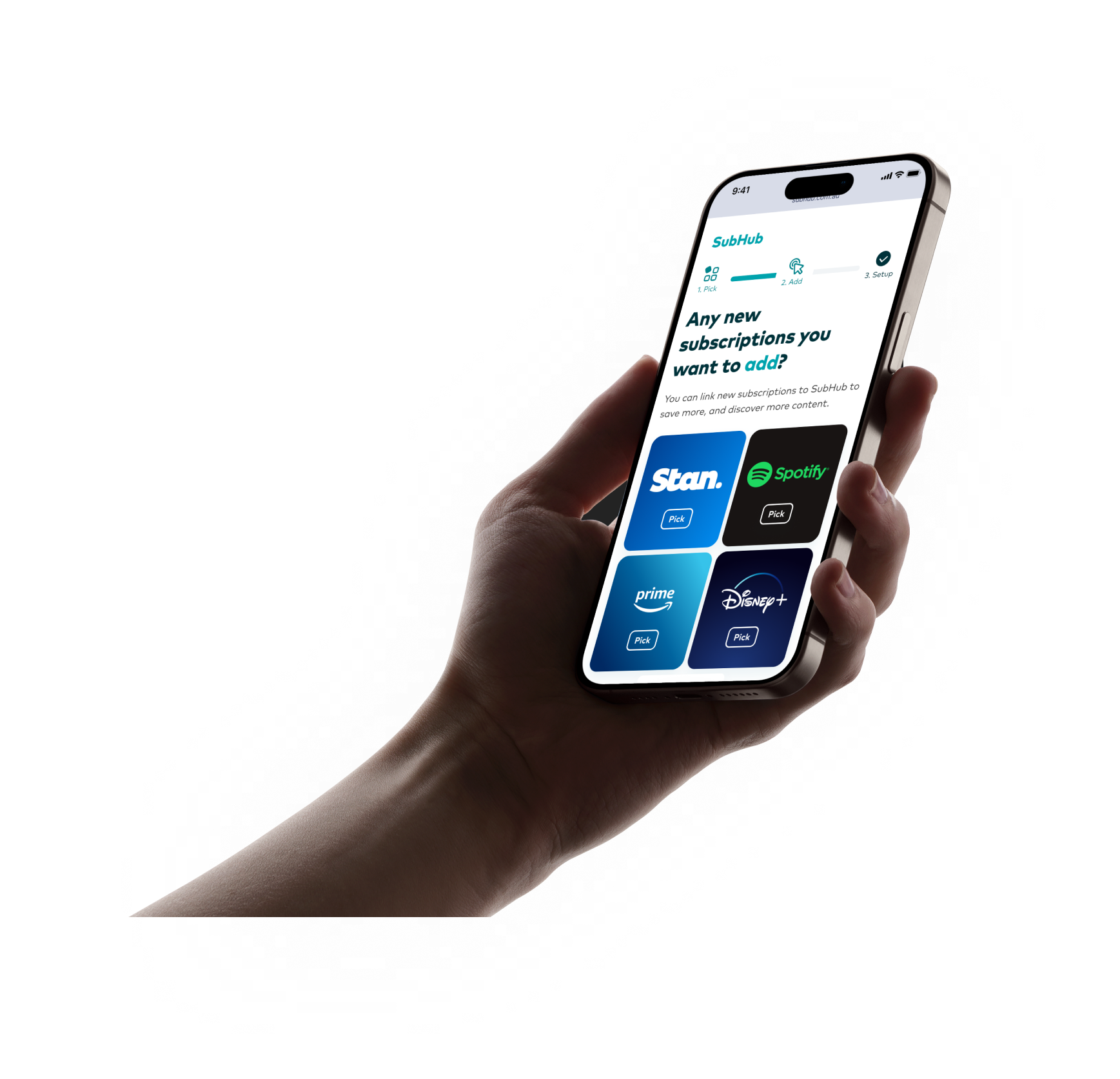
Research and design an intuitive experience for a groundbreaking product that integrates seamlessly with telco internet and mobile plan billing.
SubHub
My role
Product designer
Timeline
Q1 2019 - Q1 2020
Skills
User research & testing
Workshop Facilitation
Stakeholder management
Design Strategy
Prototyping
Platforms
Responsive web
Background
I participated in the initial research and ideation phases of the project, contributing as part of the design team that organised workshops and design critiques.
Additionally, I played a key role in facilitating both in-house and post-launch user testing sessions.
Optus SubHub is a progressive web app for managing digital subscriptions, launched in 2021 after nearly two years of development.
As a pioneering product, it presented unique challenges, which we tackled through extensive user testing and a component-driven design approach.
Problem
Streamlining subscription management
As streaming services continued to expand, we questioned why no product existed that allowed users to conveniently manage multiple subscriptions in one place.
As a telecommunications provider, we were uniquely positioned to address this challenge of managing the ever growing list of subscription services.
Current list of available streaming services (June 24)
Challenge
Developing a completely new product that integrates with an already complex telco billing system while remaining intuitive and user-friendly from the end user's perspective.
This project involved coordinating a series of workshops with numerous stakeholders from across the entire business.
Research
When in doubt, workshop it out
To gain a deeper understanding of user needs, preferences, and potential challenges, we organised a series of in-house workshops involving key stakeholders and team members from across the business.
Key takeaways
Billing dates
We discovered that this was naturally the most complex aspect of the business use case, with significant challenges in understanding and clearly communicating billing information to users—specifically when they would be charged and for which services.
Security
Being part of a large telecommunications company meant adhering to strict security measures around personal information and billing.
We needed to incorporate these security measures into the product while ensuring they were seamlessly integrated into the user experience.
Account linking
Another complexity we uncovered during our workshops was the process of linking users' accounts to streaming services. We focused on making our part of the experience as seamless as possible before handing users off to the third-party interface.
One of the earliest workshops we hosted
We were ready to start early prototype testing
Key takeaways
In house prototypes
Initial testing was carried out internally using paper prototypes, enabling rapid iteration and feedback collection.
The testing group included a diverse range of participants, from product team members and developers to senior executives.
This approach not only allowed us to quickly identify areas for improvement but also ensured that insights were gathered from various perspectives within the organisation.
Design critiques
With input from the product team and key stakeholders across the business, we conducted a series of focused, one-hour lean design critiques.
These sessions were instrumental in prioritising and iterating on low-fidelity designs, enabling us to refine and enhance the proposed solution effectively.
By fostering collaboration and maintaining a sharp focus on the project's objectives, we ensured that each iteration brought us closer to a user-centred and practical outcome.
Account linking
Another complexity we uncovered during our workshops was the process of linking users' accounts to streaming services. We focused on making our part of the experience as seamless as possible before handing users off to the third-party interface.
Paper prototypes
Design critique
Conclusion of first round of testing
Our initial in-house testing provided valuable insights that enabled us to further refine the prototype in Figma. We sourced real customers using Askable.
The feedback we received was incredibly valuable in helping us understand our customers perceptions of the product and their thought processes regarding its features and offerings.
Some of the pain points we discovered
Account linking
Similar to the findings from our earlier workshops, we discovered that many users still struggled to understand the need to link their streaming service with their Optus account.
Breakdown of savings information
Some users found it challenging to grasp the concept of bundling multiple services to receive a bulk discount and how the process worked.
One of the earliest workshops we hosted
This is where I got off
At this stage of the project, I transitioned to another initiative while the remaining designers took the lead in incorporating feedback from the initial testing rounds and refining the designs to prepare the product for launch.
Although my primary focus shifted, I remained part of the design team and contributed to design-related tasks as needed.
Impact
Overall, customer sentiment toward the service and the value it provides remains highly positive
475,000
Unique customer base
as of December 2024 and growing daily
20+
Available streaming services
as of December 2024
Select another case study
Optus Sport
Sports streaming app
Open case study >
YogiBirth
Online pregnancy yoga studio
Open case study >
Department of Planning, Housing and Infrastructure
Online platform for planning and development applications.
Open case study >
Back to the top?
About me
Works
See full CV
Adrian Petro Ranieri
About me
Get in touch
SubHub
All in one subscription billing platform
Research and design an intuitive experience for a groundbreaking product that integrates seamlessly with telco internet and mobile plan billing.
SubHub
My role
Product designer
Timeline
Q1 2019 - Q1 2020
Skills
User research & testing
Workshop Facilitation
Stakeholder management
Design Strategy
Prototyping
Platforms
Responsive web
Background
I participated in the initial research and ideation phases of the project, contributing as part of the design team that organised workshops and design critiques.
Additionally, I played a key role in facilitating both in-house and post-launch user testing sessions.
Optus SubHub is a progressive web app for managing digital subscriptions, launched in 2021 after nearly two years of development.
As a pioneering product, it presented unique challenges, which we tackled through extensive user testing and a component-driven design approach.
Problem
Streamlining subscription management
As streaming services continued to expand, we questioned why no product existed that allowed users to conveniently manage multiple subscriptions in one place.
As a telecommunications provider, we were uniquely positioned to address this challenge of managing the ever growing list of subscription services.
Current list of available streaming services (June 24)
Challenge
Developing a completely new product that integrates with an already complex telco billing system while remaining intuitive and user-friendly from the end user's perspective.
This project involved coordinating a series of workshops with numerous stakeholders from across the entire business.
Research
When in doubt, workshop it out
To gain a deeper understanding of user needs, preferences, and potential challenges, we organised a series of in-house workshops involving key stakeholders and team members from across the business.
Key takeaways
Billing dates
We discovered that this was naturally the most complex aspect of the business use case, with significant challenges in understanding and clearly communicating billing information to users—specifically when they would be charged and for which services.
Security
Being part of a large telecommunications company meant adhering to strict security measures around personal information and billing.
We needed to incorporate these security measures into the product while ensuring they were seamlessly integrated into the user experience.
Account linking
Another complexity we uncovered during our workshops was the process of linking users' accounts to streaming services. We focused on making our part of the experience as seamless as possible before handing users off to the third-party interface.
One of the earliest workshops we hosted
We were ready to start early prototype testing
Key takeaways
In house prototypes
Initial testing was carried out internally using paper prototypes, enabling rapid iteration and feedback collection.
The testing group included a diverse range of participants, from product team members and developers to senior executives.
This approach not only allowed us to quickly identify areas for improvement but also ensured that insights were gathered from various perspectives within the organisation.
Design critiques
With input from the product team and key stakeholders across the business, we conducted a series of focused, one-hour lean design critiques.
These sessions were instrumental in prioritising and iterating on low-fidelity designs, enabling us to refine and enhance the proposed solution effectively.
By fostering collaboration and maintaining a sharp focus on the project's objectives, we ensured that each iteration brought us closer to a user-centred and practical outcome.
Account linking
Another complexity we uncovered during our workshops was the process of linking users' accounts to streaming services. We focused on making our part of the experience as seamless as possible before handing users off to the third-party interface.
Paper prototypes
Design critique
Conclusion of first round of testing
Our initial in-house testing provided valuable insights that enabled us to further refine the prototype in Figma. We sourced real customers using Askable.
The feedback we received was incredibly valuable in helping us understand our customers perceptions of the product and their thought processes regarding its features and offerings.
Some of the pain points we discovered
Account linking
Similar to the findings from our earlier workshops, we discovered that many users still struggled to understand the need to link their streaming service with their Optus account.
Breakdown of savings information
Some users found it challenging to grasp the concept of bundling multiple services to receive a bulk discount and how the process worked.
One of the earliest workshops we hosted
This is where I got off
At this stage of the project, I transitioned to another initiative while the remaining designers took the lead in incorporating feedback from the initial testing rounds and refining the designs to prepare the product for launch.
Although my primary focus shifted, I remained part of the design team and contributed to design-related tasks as needed.
Impact
Overall, customer sentiment toward the service and the value it provides remains highly positive
475,000
Unique customer base
as of December 2024 and growing daily
20+
Available streaming services
as of December 2024
Select another case study
Optus Sport
Sports streaming app
Open case study >
YogiBirth
Online pregnancy yoga studio
Open case study >
Department of Planning, Housing and Infrastructure
Online platform for planning and development applications.
Open case study >
Back to the top?
About me
Works
See full CV